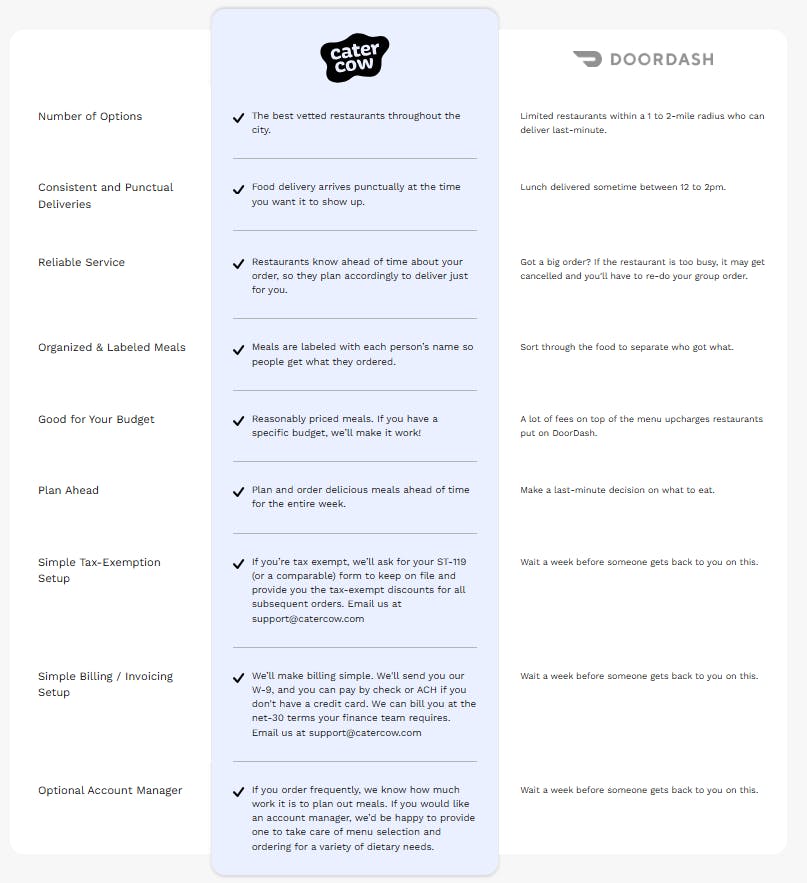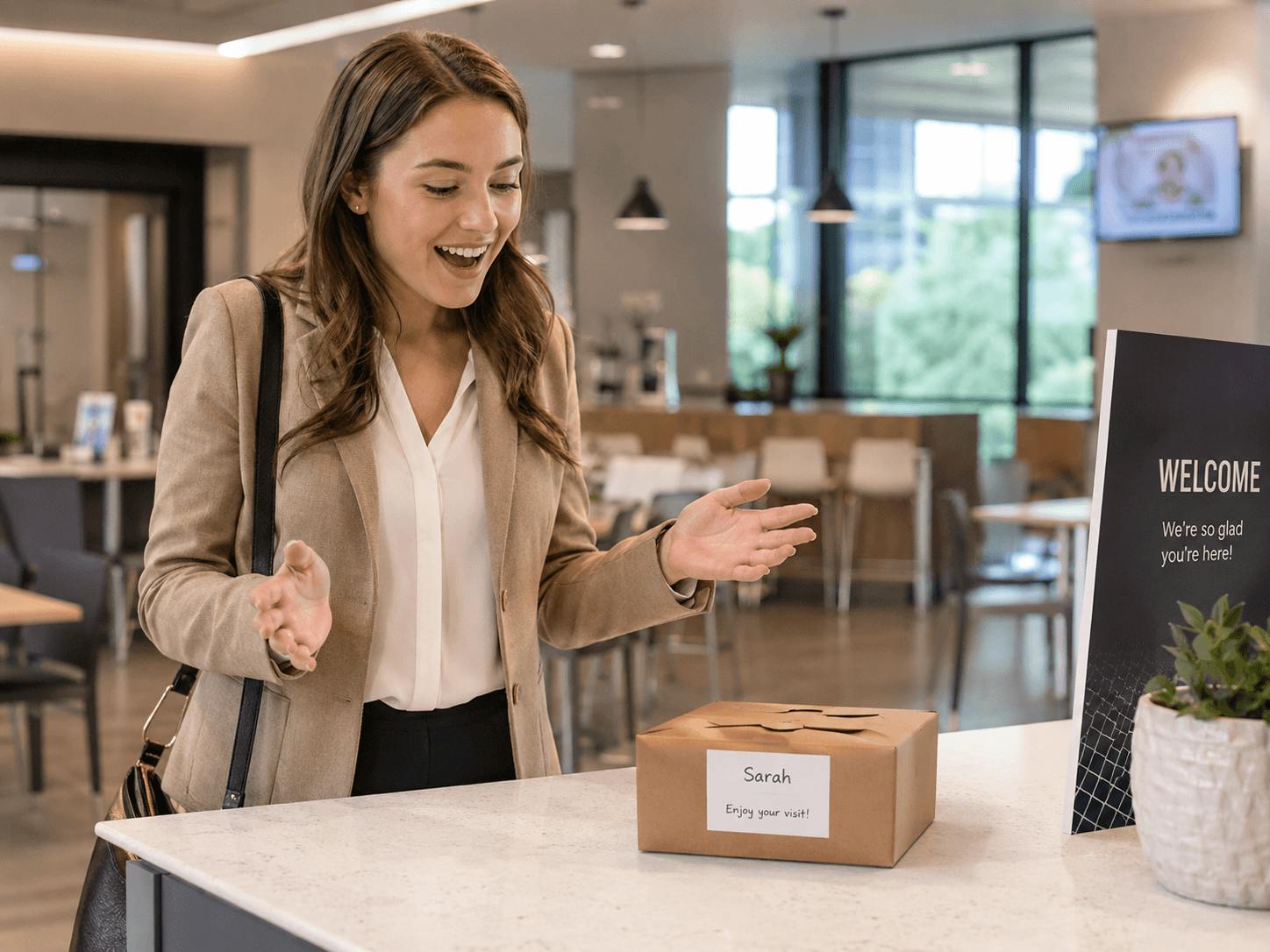
Onsite interviews are back. For recruiting teams, office managers, executive assistants, and people teams, that means a familiar operational challenge is back too: feeding candidates and interviewers without turning lunch into a daily scramble.
At first, ordering through DoorDash, Uber Eats, or another consumer delivery app seems easy enough. Someone picks a restaurant, adds a few meals, places the order, and hopes everything arrives on time.
But once your company is hosting interviews every week, with anywhere from 6 to 30 lunches depending on interview volume, consumer delivery apps start to break down.
You are not just ordering lunch anymore. You are managing candidate experience, employee coordination, dietary preferences, delivery timing, receipts, reimbursements, and budget tracking.
That is where CaterCow can be a much better fit.
The problem with using consumer delivery apps for onsite interview lunches
DoorDash and Uber Eats are great when one person wants lunch. They are not always built for recurring, business-critical office meals.
For onsite interviews, the pain points add up quickly.
Someone has to collect everyone’s order. Someone has to make sure the candidate gets a meal they actually want. Someone has to check dietary restrictions. Someone has to place the order at the right time. Someone has to track the receipt. Someone has to make sure the food arrives before the interview lunch starts.
And if the number of interviews changes every week, the process becomes even harder to standardize.
A typical recruiting lunch might include:
- One or more candidates
- Hiring managers
- Interview panel members
- Recruiters
- Employees joining the lunch portion of the interview
- Different dietary needs
- A specific delivery window
- A need for clean, professional presentation
- A desire for monthly consolidated billing instead of scattered receipts
That is a lot to manage through a consumer food delivery app.
Onsite interview lunch is part of the candidate experience
Lunch during an onsite interview is not just a meal. It is part of the candidate’s impression of your company.
A well-run lunch says: we are organized, thoughtful, and respectful of your time.
A chaotic lunch says the opposite.
If food arrives late, the candidate may be rushed. If the order is wrong, they may feel like an afterthought. If there are no good dietary options, the lunch becomes awkward. If the recruiter or office manager is scrambling to fix the order, the company loses a chance to create a calm, polished experience.
CaterCow helps companies treat interview lunch like a repeatable recruiting process, not a one-off errand.
Why CaterCow works well for onsite interview lunches
CaterCow is built for office meals, group ordering, and business catering. That makes it a strong fit for companies that need interview lunches delivered consistently without creating extra work for the recruiting team.
Instead of manually collecting lunch preferences over Slack, email, or spreadsheets, companies can use CaterCow to create a more organized ordering flow. Employees and candidates can choose meals ahead of time, food can be delivered at a scheduled time, and teams can reduce the daily friction of coordinating lunch.
For companies that interview frequently, this can turn lunch from a messy recurring task into a smoother operational system.
1. Give candidates and employees a simple ordering link
One of the biggest frustrations with interview lunches is collecting everyone’s individual order.
With consumer delivery apps, someone usually has to play coordinator:
“Do you want chicken or vegetarian?”
“Any allergies?”
“Can you send me your order by 10?”
“Which restaurant should we choose?”
“Did the candidate respond yet?”
With a business-forward lunch solution, the better workflow is simple: send candidates and employees a link, let them choose their meal, and have the orders grouped together for delivery.
2. Handle variable interview volume
Interview schedules change constantly.
One week, you may need lunch for 6 people. The next week, you may need 30. Some days may include one candidate. Other days may include multiple candidates, hiring managers, and interview panel members.
That variability is hard to manage with ad hoc delivery app orders.
CaterCow is a better fit for fluctuating office lunch needs because it is designed around group meals. Teams can plan around the actual headcount for each interview day, rather than forcing every lunch into the same manual process.
For recruiting teams, that means less guessing, less over-ordering, and less last-minute coordination.
3. Schedule delivery around the interview day
Interview days run on tight schedules. A 12:00 p.m. lunch cannot casually arrive at 12:35 p.m. without disrupting the rest of the interview loop.
When lunch is part of an onsite interview, delivery timing matters.
CaterCow helps companies think about catering as a scheduled business meal, not a casual individual delivery. Orders can be planned around the interview calendar, with food arriving at the right time for candidates and employees to sit down together.
That matters because the lunch slot is often doing double duty. It gives the candidate a break, gives the team a chance to build rapport, and gives both sides a more informal setting to evaluate fit.
The food should support that moment, not interrupt it.
4. Support dietary preferences without making it awkward
Candidate lunches can get awkward when the only available option does not work for someone’s dietary needs.
Maybe the candidate is vegetarian. Maybe someone is gluten-free. Maybe an interviewer avoids dairy. Maybe one person wants something light while another wants a heartier meal.
When ordering one-off meals through a consumer app, dietary needs often become a manual back-and-forth.
A better interview lunch setup gives people choices before the food arrives. Individual ordering, customizable meals, and clear menu options make it easier for everyone to get something that works.
That is especially useful for candidates, who may not feel comfortable making special requests during an interview process. A simple ordering link gives them a more private, low-friction way to choose what they need.
5. Replace scattered receipts with consolidated billing
For many companies, the food itself is only half the problem. The other half is billing.
When onsite interview lunches are ordered through DoorDash or Uber Eats, receipts can end up scattered across recruiters, coordinators, hiring managers, and office staff. Some orders go on corporate cards. Some need reimbursement. Some get lost in inboxes. Some are hard to categorize later.
That creates extra work for finance and recruiting operations.
A business catering workflow should make billing cleaner. For companies ordering weekly interview lunches, consolidated billing can be a major upgrade. Instead of tracking every individual delivery app receipt, teams can manage recurring lunch spend in a more organized way.
That is especially helpful when interview volume changes week to week but the need for reporting, approvals, and budget visibility stays the same.
6. Make lunch feel more professional
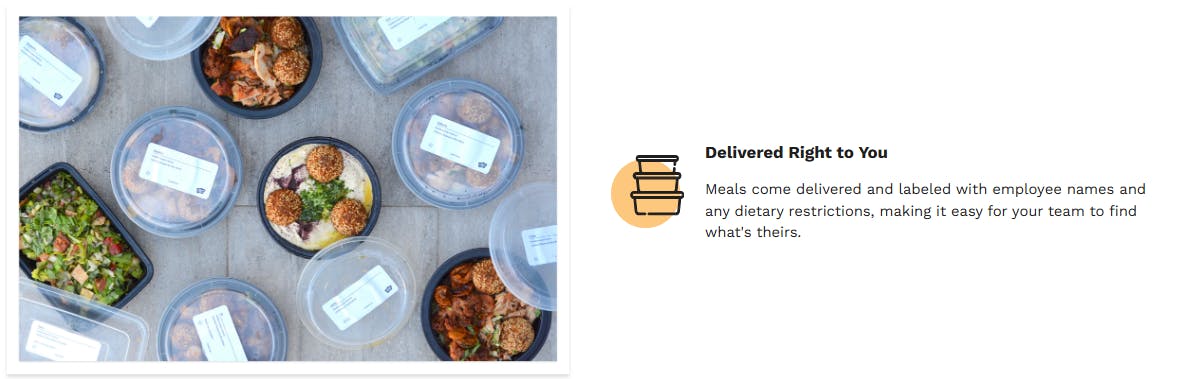
There is nothing wrong with restaurant delivery, but interview lunches often need to feel a little more polished than a bag of individually packed takeout containers dropped at the front desk.
For candidate interviews, presentation matters.
A good lunch setup should be easy to unpack, easy to distribute, and easy for people to eat while having a conversation. It should not require the recruiter to sort through unlabeled bags, missing utensils, spilled sauces, or unclear orders five minutes before the candidate walks into the room.
CaterCow is built around feeding groups in offices, which makes it a stronger fit for professional settings like onsite interviews, team meetings, board meetings, training sessions, and client visits.
7. Reduce recruiter and office manager busywork
The hidden cost of interview lunches is not just the food. It is the time spent coordinating.
Every manual lunch order creates little tasks:
- Choosing restaurants
- Collecting preferences
- Checking dietary needs
- Placing orders
- Monitoring delivery
- Finding receipts
- Handling mistakes
- Repeating the process next week
For a company interviewing every week, that busywork adds up.
CaterCow helps reduce the operational drag by giving teams a more repeatable process. The goal is not just to feed people. The goal is to make interview lunch easy enough that it does not become a recurring burden for recruiting, people ops, or office management.
Example: a better workflow for onsite interview lunches
Here is what a smoother interview lunch process can look like:
- The recruiting or office team knows there are onsite interviews next week.
- They choose a lunch option that works for the group.
- Candidates and employees receive a link to enter their orders.
- Orders are collected before the interview lunch.
- Food is delivered at the scheduled time.
- Everyone gets the meal they selected.
- The company receives cleaner, more consolidated billing.
That is a much better system than rebuilding the process from scratch every time a candidate comes onsite.
Best lunch formats for onsite interviews
The best interview lunches are easy to eat, easy to customize, and not too messy. You want food that feels thoughtful but does not distract from the conversation.
Good options include:
Individually packaged lunches
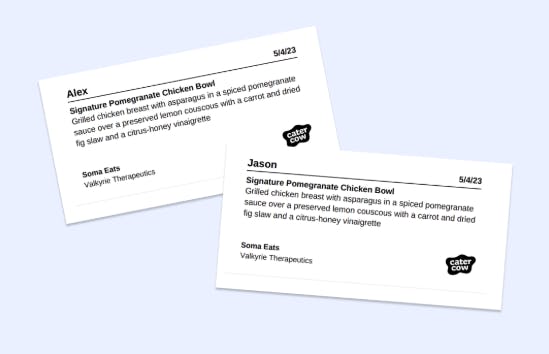
Great for candidates and interviewers who each want their own meal. This works especially well when people have different preferences or dietary needs. CaterCow restaurants also individually label with candidate name each meal.
Bowls
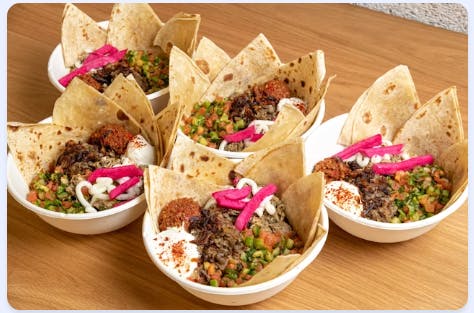
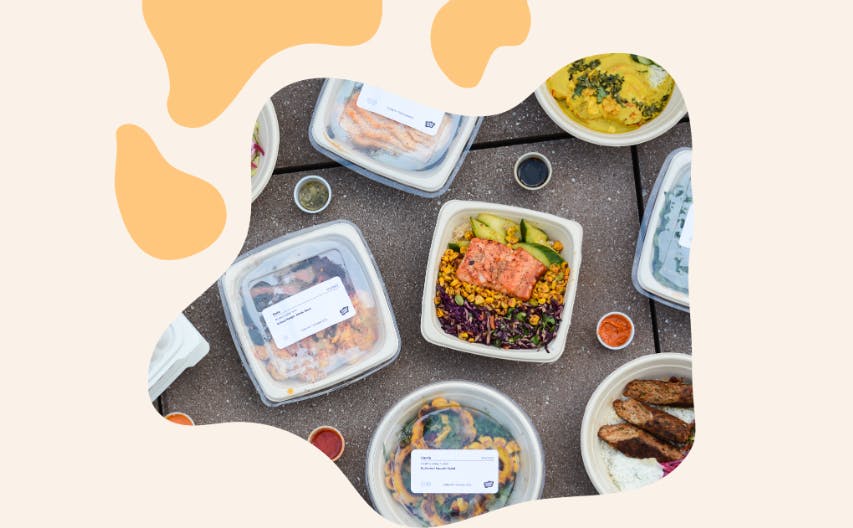
Bowls are a strong interview lunch choice because they are customizable, easy to label, and usually work well for vegetarian, gluten-free, and lighter meal preferences.
Sandwiches and salads
A classic office lunch option that works well for smaller interview groups, especially when paired with chips, fruit, cookies, or drinks.
Mediterranean meals
Mediterranean catering can work well because it offers variety, lighter options, vegetarian-friendly dishes, and shareable sides.
Taco bars or build-your-own meals
For more casual companies, build-your-own meals can create a relaxed lunch atmosphere while giving everyone flexibility.
When CaterCow is a better choice than DoorDash or Uber Eats
Consumer delivery apps can work for occasional lunches. But CaterCow is a better fit when lunch is recurring, business-critical, or tied to an important experience like candidate interviews.
CaterCow is especially useful when your company needs:
- Lunch for 6–30 people at a time
- A way for candidates and employees to enter their own orders
- Delivery at a specific interview lunch time
- Support for changing headcounts
- Dietary flexibility
- A more professional office lunch experience
- Cleaner billing than scattered delivery app receipts
- A repeatable process for weekly onsite interviews
In other words, if lunch has become part of your recruiting operations, it deserves a better system than a last-minute delivery app order.
Final thought: better lunch, better interviews
Onsite interview lunches are small moments that can have an outsized impact.
They give candidates a chance to relax. They help employees connect with potential teammates. They show whether your company is organized, thoughtful, and candidate-friendly.
When the lunch process is messy, it creates stress. When it works well, it quietly supports the whole interview day.
CaterCow helps companies turn interview lunches into a smoother, more professional, and more scalable process. For teams ordering 6–30 lunches a week, dealing with changing interview volume, and trying to move beyond DoorDash or Uber Eats, CaterCow is built for exactly this kind of office meal challenge.
If your company is hosting onsite interviews and needs a better lunch solution, CaterCow can help you feed candidates and employees without the weekly scramble.